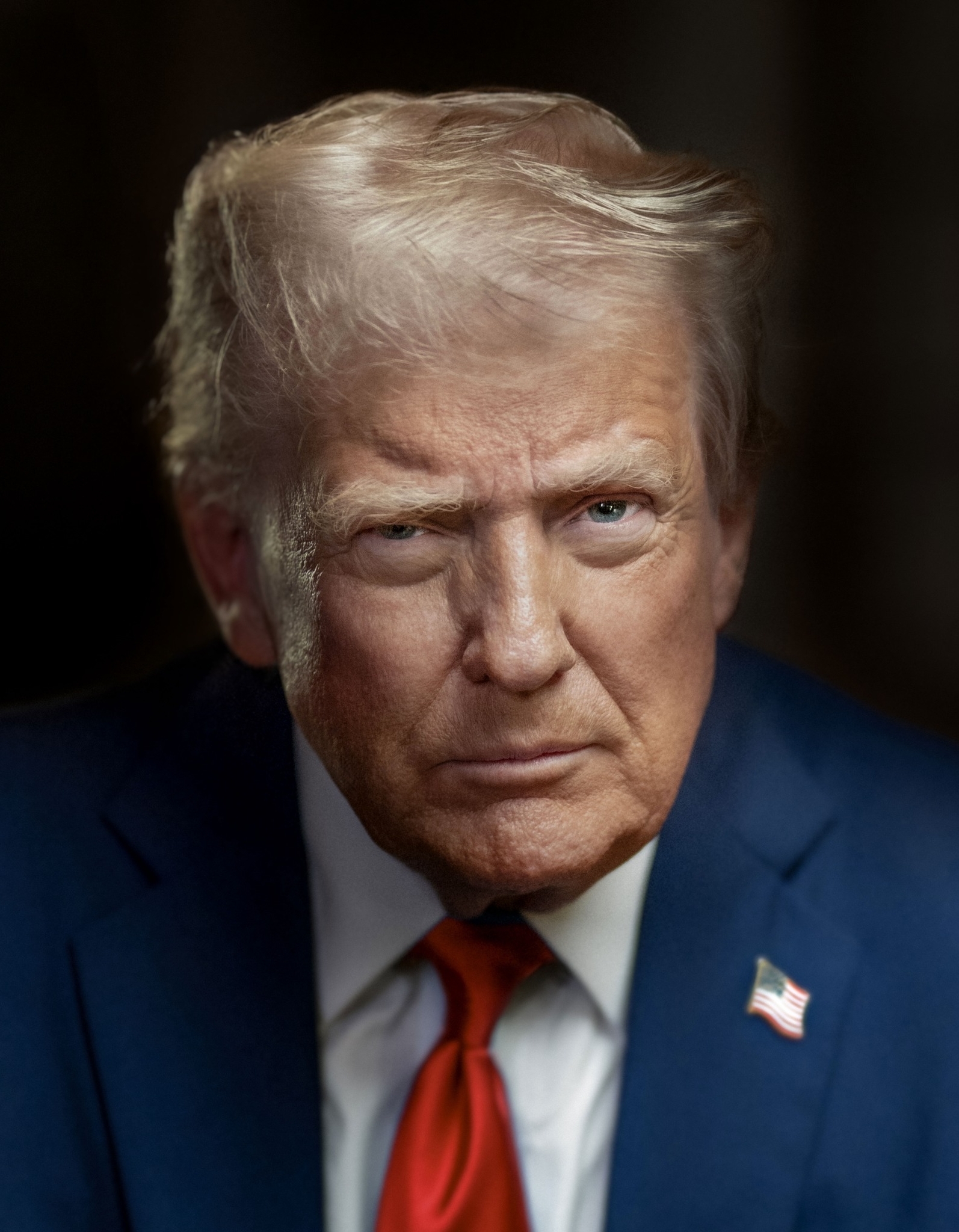
As the Trump administration continues to push its agenda on higher education, universities across the country are scrambling to adapt, resulting in a surge in legal and lobbying costs. According to recent tax returns, some institutions have seen their legal bills more than double, while others have reported a fivefold increase in spending on influencing legislation.
The sheer scale of these expenditures is a stark reminder of the unprecedented pressure being exerted on universities by the White House. From attempts to curb affirmative action programs to challenges to the very fabric of academic freedom, the Trump administration’s efforts are having far-reaching consequences for institutions of higher learning.
One of the most significant areas of concern is the escalating legal costs associated with defending against these attacks. Universities are facing off against a well-funded and highly organized foe in the White House, which is using every tool at its disposal to shape the national discourse on education. The result is a never-ending cycle of lawsuits, appeals, and legal maneuvering that is straining already tight budgets.
Moreover, the increased spending on lobbying is also raising eyebrows. As universities seek to influence lawmakers and policymakers in Washington, they are pouring significant sums of money into the political process. This development raises questions about the impact on academic integrity and the potential for undue influence on educational policy.
The Trump administration’s efforts to reshape higher education have sparked a heated debate about the role of government in shaping academic institutions. As universities struggle to adapt to this new reality, they must also navigate the treacherous waters of political pressure and public perception. The stakes are high, and the consequences for getting it wrong could be profound.
Ultimately, the real cost of Trump’s university crackdown will not be measured solely in dollars and cents but rather in the erosion of academic freedom, the stifling of innovative thinking, and the undermining of our collective intellectual heritage. As we navigate this uncertain landscape, one thing is clear: the future of higher education hangs precariously in the balance, and it is up to us to ensure that the values of knowledge, critical inquiry, and open discourse prevail.
Source: USA