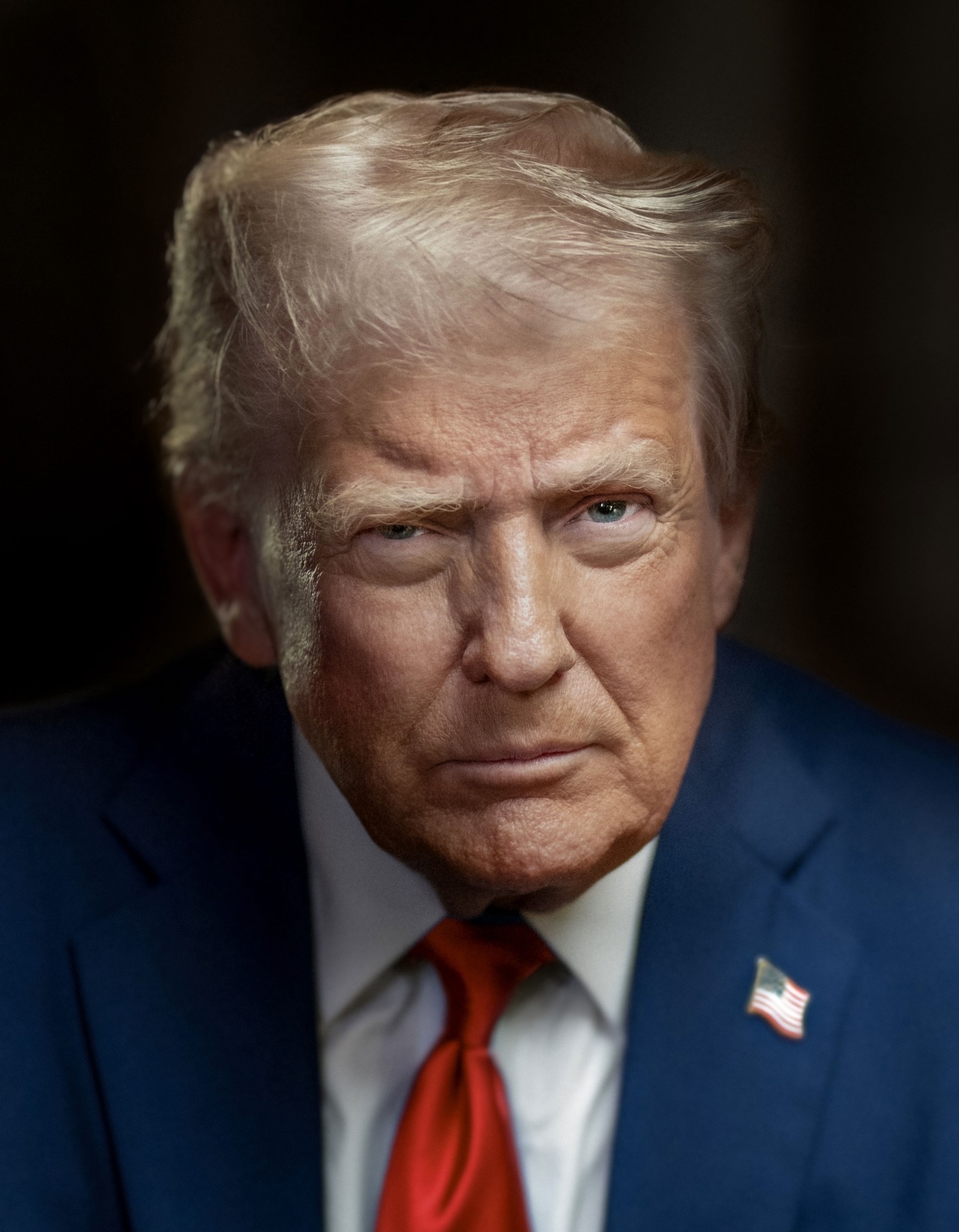
The White House is locked in a fierce battle over the renewal of FISA Section 702, a contentious surveillance law that has sparked heated debate about national security and individual liberties. Amidst the back-and-forth, President Trump’s recent threats to veto the bill have raised more questions than answers, revealing a complex history with this very same law.
On one hand, the administration argues that allowing Section 702 to expire would severely jeopardize national security, giving foreign actors an opening to exploit the United States’ vulnerability. This narrative is familiar territory for Trump, who has long emphasized the importance of protecting America’s borders and interests from perceived threats. The President’s supporters will likely point to this as a prime example of his commitment to keeping the country safe.
On the other hand, Trump’s own rhetoric on Section 702 suggests a more nuanced approach. His repeated warnings that he may veto the bill unless it is significantly reformed have sparked concerns among lawmakers and privacy advocates about the law’s potential for abuse. These critics argue that even with safeguards in place, Section 702’s broad powers to collect foreign intelligence could be exploited by future administrations or used to target political opponents.
The President’s contradictory stance on this issue is reflective of his own complicated history with surveillance laws. In the past, Trump has publicly railed against the government’s use of such tools, claiming they are a tool for political repression and abuse. His criticisms were echoed by many on the political left, who saw Section 702 as part of a broader effort to erode civil liberties.
Yet, in his current role, Trump is advocating for the very same law he once criticized. This about-face has sparked questions about the President’s commitment to transparency and accountability when it comes to national security. Has his stance changed due to new information or shifting priorities? Or has his opposition simply been a calculated move to appease his political base?
As lawmakers grapple with the implications of Section 702, they must also confront the Administration’s conflicting messages on this critical issue. In doing so, they will need to balance competing interests and weigh the potential risks against the benefits of preserving national security. The fate of this surveillance law hangs in the balance, as Congress strives to find a solution that honors both the Constitution and the nation’s commitment to protecting its citizens.
Source: USA