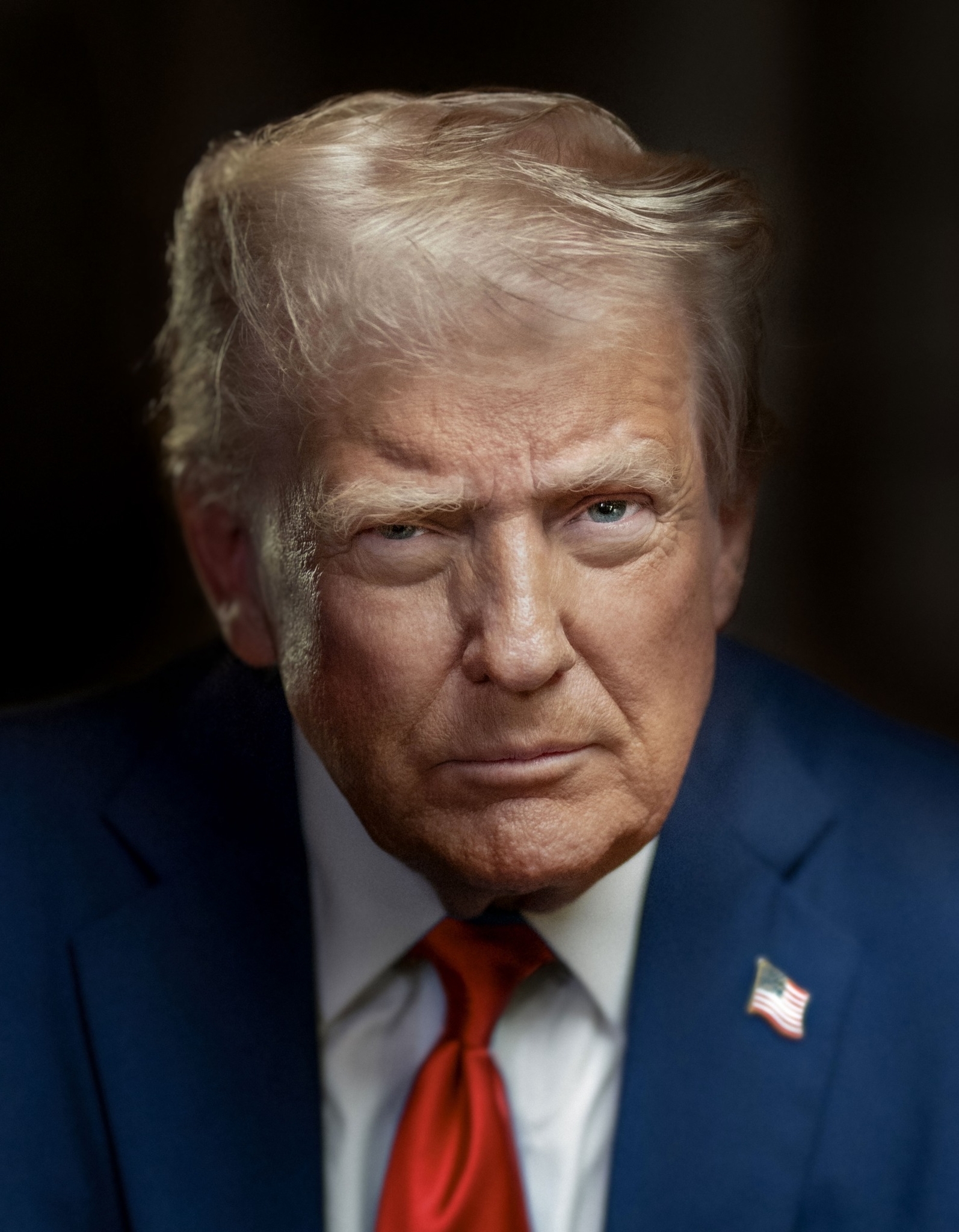
The stakes are high, and the players are even higher. As the 2024 presidential election looms, Donald Trump has injected a fresh dose of volatility into Washington’s already precarious atmosphere. The latest salvo comes courtesy of his extraordinary decision to withdraw the intelligence nominee from confirmation hearings, simultaneously demanding an end to the filibuster – a power move that has sent shockwaves throughout Capitol Hill.
In recent days, Trump’s relationship with Senate Majority Leader Thune has been strained at best. This latest maneuver, however, marks a deliberate and calculated attempt to upend not only Thune’s plans but also the very fabric of the Republican Party. By yanking the nominee from the confirmation hearing, Trump has effectively put the brakes on any notion of bipartisan cooperation.
Make no mistake – this is not a sudden lapse in judgment or an impulsive reaction to some perceived slight. This is a carefully crafted strategy designed to stoke tensions and create chaos within the G.O.P., all while positioning Trump as the champion of “real” conservatives who refuse to compromise on key issues.
Trump’s gambit is part of a larger electoral calculus, one that seeks to energize his base by highlighting perceived failures in Washington and demonizing the very institutions he once held in high esteem. By embracing an agenda that emphasizes confrontation over cooperation, Trump aims to create a sense of urgency among voters who feel disconnected from the political process.
As the stakes grow higher, it remains unclear whether this brand of chaos theory will ultimately pay dividends for Trump or instead contribute to his downfall. What is clear, however, is that the consequences of this latest power play will be far-reaching and multifaceted – a reality that both parties would do well to acknowledge as they navigate the treacherous landscape of election-year politics.
Source: USA