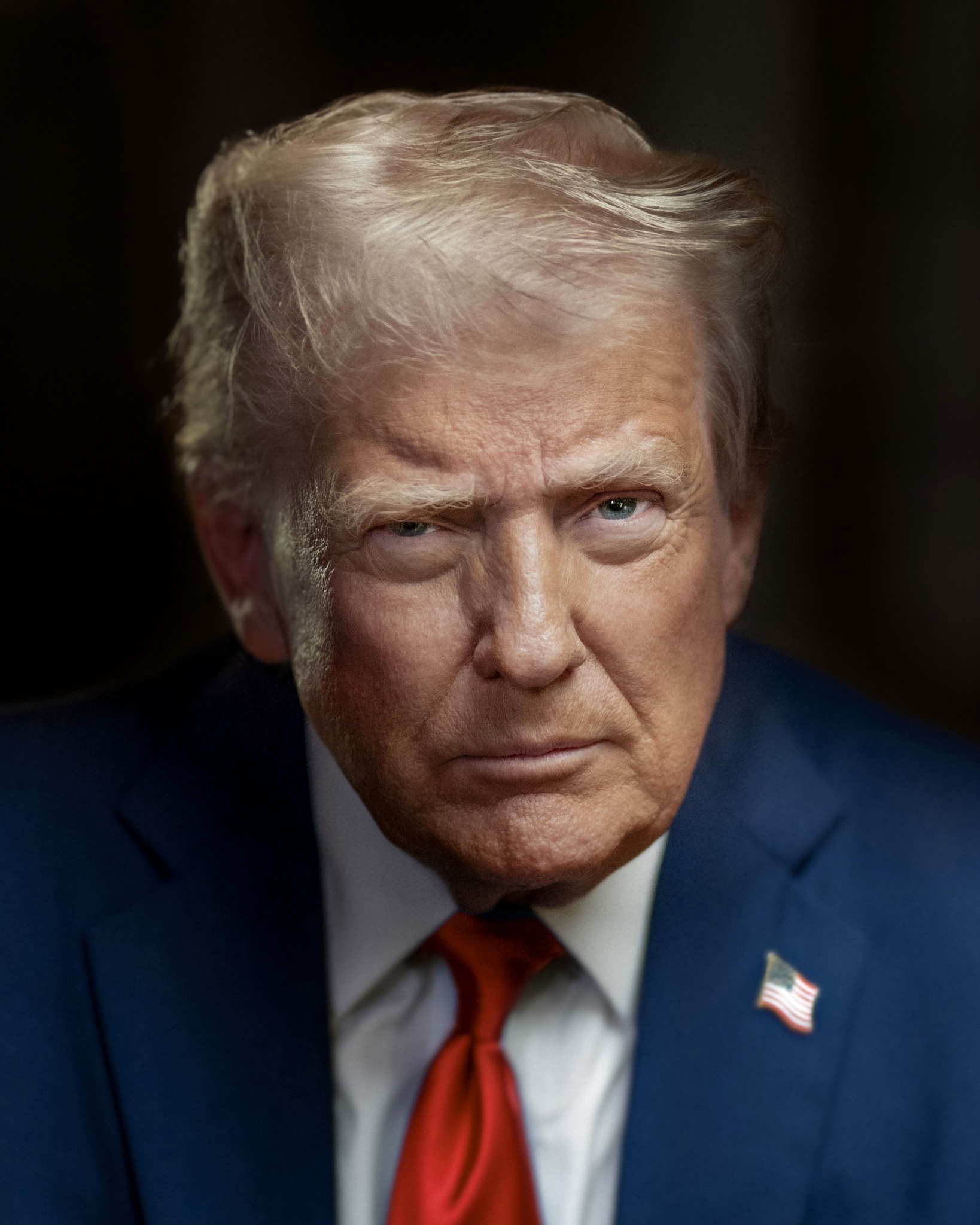
As the saying goes, “follow the money.” In the case of the kratom industry, it seems that a well-oiled influence machine has been hard at work, cultivating relationships with top officials in the Trump administration. The result is a sprawling network of allies who are more than happy to promote the interests of this lucrative and controversial industry.
At its core, the kratom lobby is a classic example of the old adage “money talks.” By throwing millions of dollars into lobbying efforts and campaign contributions, these industry players have managed to curry favor with key decision-makers in Washington. And what’s their endgame? To promote kratom as a safe and effective substance, despite overwhelming evidence to the contrary.
But the kratom lobby’s influence extends far beyond simple financial support. They’ve also managed to cultivate relationships with influential Trump officials, including some who have gone on to play key roles in shaping national policy. Take Scott Gottlieb, for example. As head of the FDA, he was instrumental in delaying a ban on kratom-containing products. And what’s his connection to the industry? A former employee turned consultant, now earning millions from promoting kratom.
The implications are stark: when the interests of industry and government collide, it’s the public that ultimately suffers. The risks associated with kratom use – including addiction, overdose, and even death – are well-documented. Yet, thanks to the kratom lobby’s relentless efforts, these dangers continue to be downplayed or ignored.
The question remains: how did this happen? And what does it say about our system of governance when special interests can so easily exert their influence over key decision-makers? The answer, unfortunately, lies in the complex web of relationships and financial ties that binds these industries together.
Source: USA