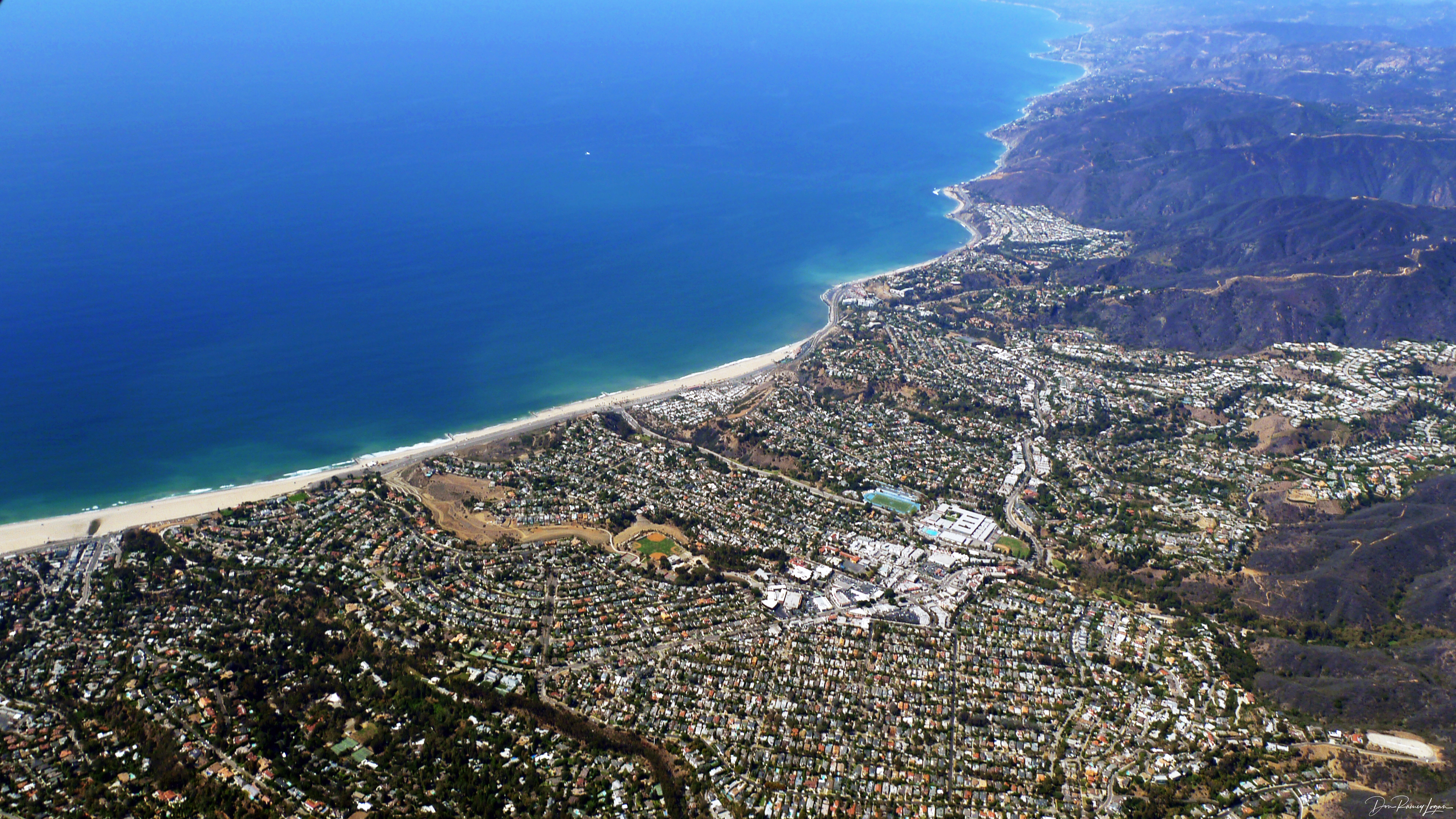
A Judge’s Unexplained Decision Leaves Questions Lurking
The Palisades fire trial, once hailed as a landmark case in environmental law, has taken an unexpected turn. In a move that raises more questions than answers, a federal judge has barred prosecutors from presenting evidence of alleged Bible burning and an arson threat to the jury. The defendants’ motives behind these actions remain unclear, leaving many wondering what led to this unusual decision.
At first glance, it may seem like a minor procedural matter. However, the implications are far-reaching, as they directly impact the credibility of the prosecution’s case. By excluding this key evidence, the judge has essentially granted the defense a significant advantage in the trial.
The allegations in question revolve around an incident where one of the defendants is said to have burned a Bible and made a threat to burn his sister’s home. While these actions may seem unrelated to the fire itself, they could potentially provide crucial context for jurors. By suppressing this information, the judge has deprived them of vital insight into the defendants’ mindset and potential motivations.
One can’t help but wonder what led to this decision. Was it a genuine concern about the relevance or reliability of the evidence? Or was it an attempt to level the playing field in a case where the prosecution’s burden may have been too great?
The Palisades fire trial has garnered significant attention due to its unique circumstances and high stakes. The outcome will have far-reaching implications for environmental law and policy. In light of this judge’s unexpected decision, one can only hope that the trial will proceed with transparency and fairness, allowing justice to be served without compromise.
As the case continues to unfold, it remains to be seen how these unusual events will ultimately impact the final verdict. One thing is certain, however: the Palisades fire trial has taken a dramatic turn, leaving many to ponder the motives behind this unexpected twist.
Source: California