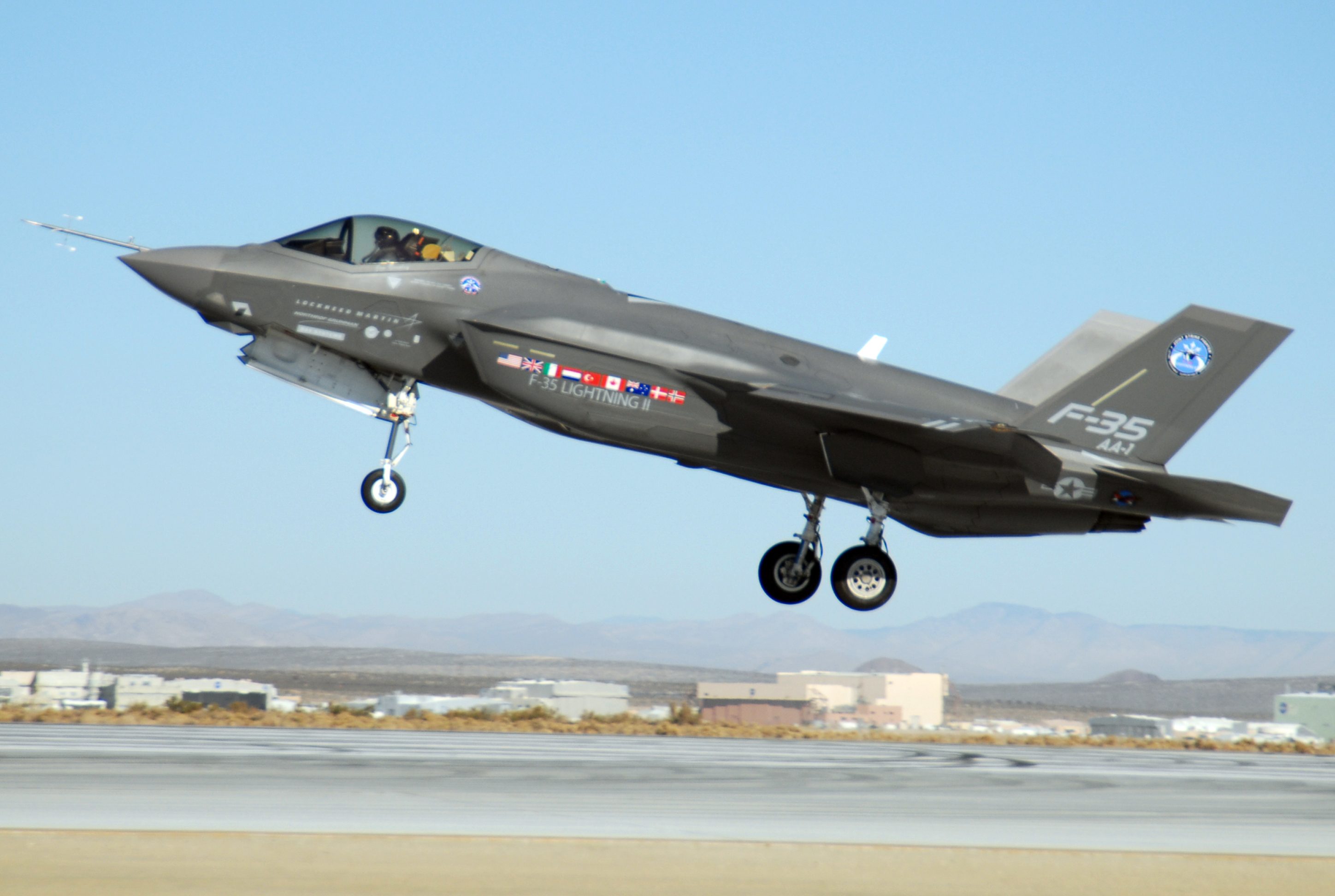
The United States Air Force’s iconic B-52 bomber has been involved in a serious incident, crashing at Edwards Air Force Base in California. The sudden and unexplained loss of control by the legendary aircraft has sent shockwaves through the military community, raising questions about the safety record of this venerable Cold War-era workhorse.
The crash occurred just after 10:00 AM local time, with eyewitnesses reporting a loud boom and thick smoke billowing into the sky. Military personnel quickly responded to the scene, scrambling to render aid to any potential survivors. At last count, multiple injuries were reported, although the extent of the damage is still unknown.
The B-52 has been a cornerstone of American military might for over six decades, playing a pivotal role in numerous global conflicts and peacekeeping operations. Its reputation for reliability and endurance has earned it a special place in the hearts of many, but this incident serves as a sobering reminder that even the most storied machines are not immune to human error or mechanical failure.
As investigators begin their probe into the cause of the crash, concerns will naturally turn to the safety record of the B-52 fleet. With nearly 750 aircraft in service, the bomber has had its share of mishaps over the years, including several fatal crashes. While these incidents have always been thoroughly investigated and addressed, this latest incident may prompt a fresh review of procedures and protocols.
The Air Force’s swift response to the crash is commendable, but it will be crucial that they approach this inquiry with transparency and a willingness to confront any systemic issues that may have contributed to this tragedy. The public deserves answers about what went wrong and how such an accident can be prevented in the future.
In the coming days and weeks, as more information becomes available, we can expect the debate around military aircraft safety to intensify. It is essential that our leaders prioritize accountability and take concrete steps to ensure the continued trust of their personnel and the public at large.
Source: California